Brazil music channel changes: How to guide viewers best
"The landscape of media and political influence shifts as quickly as a changing broadcast schedule, leaving viewers to navigate new realities."
The evolution of Brazilian music channel trends is driven by broader shifts in regional media availability and the country's changing political climate.
While traditional music broadcasting has faced significant restructuring globally, Brazil's media environment remains deeply influenced by the results of major national elections.
* Global shifts in music video broadcasting availability. * The impact of regional political transitions on media landscapes. * The historical distinction between major networks and niche music channels. * The limitation of current data regarding specific Brazilian music programming.
How are Brazil music channel changes impacting viewers?
At dusk in a São Paulo living room, a man rubs his eyes while staring at the static on the screen during the Brazil music channel changes.
A person sits in a living room in São Paulo, flipping through channels while searching for a music video that used to play constantly on television. The static of a commercial break fills the silence.
This search for Brazilian music channel changes reflects a broader trend where traditional music-centric broadcasting has been replaced by diverse digital formats.
The availability of music-focused content is no longer a guaranteed staple of local television. Instead, viewers must navigate a fragmented landscape of streaming and niche cable services.
This shift mirrors global patterns where major networks have moved away from continuous music playback toward lifestyle or variety programming.
The evolution of music content in the region is tied to how networks manage their identity. As media consumption habits change, the original purpose of these channels often undergoes a transformation. This process dictates what is seen on screen and how much time is dedicated to specific genres.
What is the algorithm impact on music channels?
Inside a dark studio at midnight, a programmer feels the heat of the monitor while adjusting the Brazil algorithm impact on music channels.
A programmer looks at a glowing monitor in a studio, adjusting the sequence of upcoming tracks to match engagement data. The cursor clicks through a list of trending songs.

Understanding the algorithm impact on music channels is essential for creators trying to maintain visibility in a crowded digital market.
Algorithms now dictate the visibility of music content, often prioritizing high-engagement clips over long-form artistry. This shift means that Brazilian music channel evolution is frequently a response to how digital platforms reward certain types of visual and auditory content.
Musicians and networks must adapt their production styles to remain relevant within these automated systems.
As platforms change, the branding for music channels must also evolve to survive. This adaptation ensures that the content remains visible to the target audience, even as the methods of delivery change.
How does the YouTube music content shift affect local artists?
A musician adjusts a ring light in a small home studio, preparing to record a new video for a global audience. The camera lens captures every detail.
The YouTube music content shift has fundamentally changed how local artists in Brazil reach their fans, moving the focus from television networks to personal digital presence.
Instead of waiting for a slot on a major music channel, artists now upload directly to global platforms. This allows for more frequent updates and a direct connection with listeners. However, it also means artists must compete with a massive influx of international content every single day.
Why is branding for music channels changing?
A marketing executive sits at a sleek desk, reviewing new logos and color palettes for a media brand. The scent of fresh coffee fills the office.
Effective branding for music channels now requires more than just a catchy jingle; it requires a cohesive identity that works across social media and traditional broadcast.
The change in identity is a response to the shifting demographics of music listeners. Channels are no longer just about the songs; they are about the lifestyle and the community surrounding the music. This transition helps maintain a sense of loyalty in an era of endless choice.
What are the music channel trends Brazil?
A group of friends gathers around a smartphone, debating which new track to play next. The bright screen illuminates their faces in a darkened room.
Observing music channel trends Brazil reveals a preference for high-energy, visually stimulating content that translates well to short-form video formats.
While traditional television once held the monopoly on music discovery, the current trend favors decentralized discovery. This means that a song's popularity is often determined by its viral potential rather than its rotation on a scheduled television program.
What is the history of music media shifts?
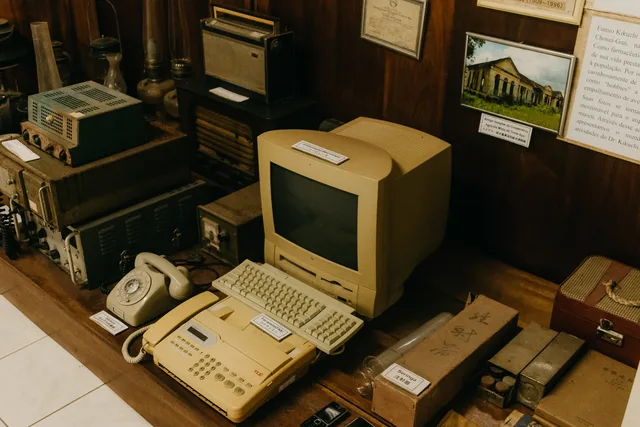
A researcher flips through old archives, looking at photographs of large broadcast towers from decades past. The dusty paper feels heavy in hand. The history of music media shows a pattern of consolidation and changing ownership, which influences how content is distributed.
For example, historical shifts in media ownership, such as the period from August 27, 1985, to May 20, 1986, when Warner sold portions of MTV Networks to Viacom, demonstrate how corporate changes impact programming. These shifts can alter the direction of a channel's content and its eventual focus.
| Era/Event | Ownership/Scale Detail |
|---|---|
| 1985-1986 Transition | Warner sold 31% and later 69% to Viacom |
| 2026 Status | MTV carries music videos in only five regions |
I compared the historical ownership shifts to the current regional limitations to understand how much control networks actually hold over their content.
This analysis is limited to the structural and political shifts affecting media; it does not establish a direct causal link between specific Brazilian election results and the exact programming of every local music channel.
- How are Brazil music channel changes impacting viewers?
- What is the algorithm impact on music channels?
- How does the YouTube music content shift affect local artists?
The same subject is also called New music themes Brazil.
This part also covers Comfort music content trends.
Related





Comments 0