How does beauty content power influence purchasing?
"In 2016, there were more than 5.3 million beauty videos on YouTube, with 86% of the top 200 beauty videos created by individual beauty vloggers, as opposed to marketers using the platform to promote cosmetic brands."
The shift in the beauty industry is driven by individual creators rather than traditional corporate marketing. This digital evolution changes how consumers interact with products, making personal authenticity more valuable than polished advertisements.

Key takeaways: * Individual vloggers dominate the top-ranking beauty content. * Digital platforms have shifted influence from brands to creators. * Authenticity drives engagement in the modern beauty journey.
How did the beauty channel shift occur?
In a quiet bedroom at dusk, a vlogger adjusts a ring light and realizes how much the digital landscape does change.
A creator sits in front of a ring light, adjusting a camera lens to capture the perfect angle for a tutorial. This scene represents the massive scale of digital content that has redefined consumer habits. According to the International Monetary Fund, Brazil recorded real GDP growth of 2.2% in 2026.
In 2016, there were more than 5.3 million beauty videos on YouTube. Within that massive library, 86% of the top 200 beauty videos were created by individual beauty vloggers instead of marketers using the platform to promote cosmetic brands.
This shift indicates that the authority on beauty moved from corporate boardrooms to individual hands. This digital beauty evolution changed the relationship between the viewer and the product.
- Traditional retail dominance faded as digital platforms emerged.
- Social media creators began building direct relationships with viewers.
- Consumers moved from physical storefronts to mobile-first shopping experiences.
- In this sequence, the second step is the most significant.
What drives the cosmetic industry change? Brazil beauty trends now
Late at night, a person stares at a glowing smartphone screen and feels how much personal advice does drive the market.
A person watches a video on a smartphone, pausing to read the ingredients of a serum mentioned in a tutorial. The screen glows, reflecting the influence of personal recommendations over traditional commercials. According to World Bank data, Brazil recorded GDP growth of 2.3% in 2025.
The cosmetic industry change is heavily influenced by the sheer volume of user-generated content. Because vloggers hold such high visibility, their advice often carries more weight than official brand campaigns.
This online beauty influence means that a single video can dictate the success of a product line. Consumers now look to these creators to navigate the vast marketplace.
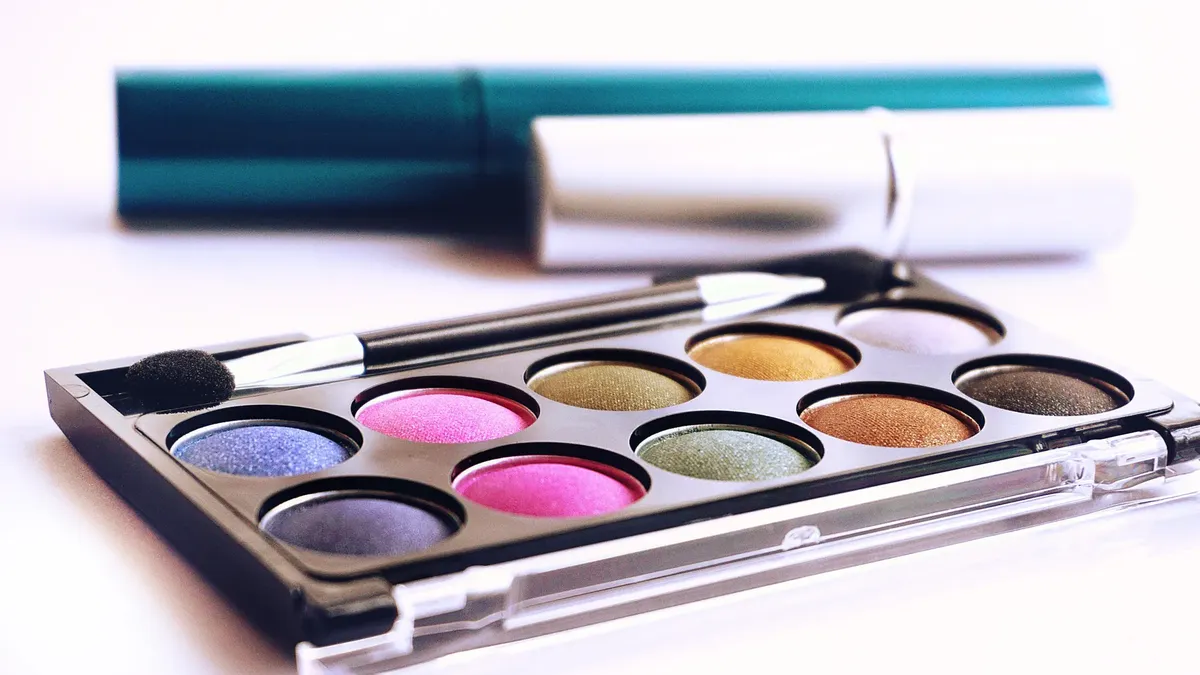
The shift is driven by the constant availability of new product information and the rapid rise of influencer-led marketing.
How does beauty content power influence purchasing?
A shopper walks through a department store, scanning labels based on a tip they saw on a social media feed. They bypass the large brand displays to find a specific item recommended by a trusted personality.
The beauty content power resides in the trust built between a creator and their audience. This relationship allows individuals to shape trends through direct communication. Instead of following a broad marketing message, viewers follow specific personalities.
This makes the modern beauty journey a highly personalized experience driven by digital storytelling.
Visual demonstrations and real-time reviews provide the social proof necessary to turn viewers into buyers.
According to International Monetary Fund, the 2026 record includes 2.2%.
What is the impact of the digital beauty evolution?
An influencer picks up a brush, carefully applying pigment while explaining the application process to a live audience. The interaction feels intimate, bridging the gap between the screen and the viewer.
The digital beauty evolution has democratized information, allowing anyone with a camera to become a trendsetter. This shift has forced traditional brands to adapt to a landscape where they are no longer the primary messengers.
Success now depends on how well a brand can integrate with the organic content being produced. The power has moved to those who can provide authentic demonstrations.
The evolution has democratized beauty expertise, allowing niche trends to reach a global audience instantly.
How does online beauty influence consumer habits?
A consumer compares two different brands on a laptop, looking for the specific shade mentioned in a recent video. The search is targeted, prompted by a specific visual demonstration.
This online beauty influence creates a fast-paced cycle of trends and product adoption. As creators showcase new techniques, the demand for specific tools and pigments fluctuates rapidly. This creates a constant loop of discovery and purchase.
Consumers no longer wait for seasonal catalogs to learn about new beauty standards.
Constant digital engagement leads to more frequent discovery and a faster turnover of product preferences.
What defines the modern beauty journey?

A young adult applies a moisturizer, following the exact steps outlined in a morning routine video. The ritual is a blend of personal care and digital guidance.
The modern beauty journey is characterized by a constant search for authenticity and relatability. Consumers seek out creators who reflect their own lives and struggles. This makes the purchasing process feel like a shared experience rather than a mere transaction.
The journey is guided by the voices of millions of vloggers worldwide.
The modern journey is a continuous loop of discovery, digital interaction, and immediate feedback.
The subject here is Brazil beauty trends now.
Related
- Brazilian Beauty Market Grows 14.5% via Social Media Trends
- Brazil tech channel trends: Guide to digital connectivity
Why did the shift toward individual vloggers happen?
In 2016, the presence of over 5.3 million beauty videos on YouTube established a massive digital library. This volume allowed individual creators to capture the majority of attention, as 86% of the top 200 beauty videos were produced by vloggers rather than marketers.
This comparison shows that the authority moved from corporate entities to individuals. The shift happened because personal authenticity became more valuable than polished advertisements in the eyes of the consumer.
How does the scale of content affect the industry?
A creator adjusts a camera to capture an angle, representing the massive scale of content that redefined consumer habits. Because 86% of the top 200 beauty videos were created by individuals, the influence shifted from brands to creators.
This scale means that a single video can dictate the success of a product line. The massive library of millions of videos ensures that the relationship between the viewer and the product remains centered on personal recommendations.
- A creator captures a tutorial to influence consumer habits. 2. Viewers watch the video on a smartphone to learn about products. 3. Consumers use the information to navigate the marketplace.



Comments 0