Digital Content How: Avoid the trap of impulsive spending
Following lifestyle trends from a smartphone can create a dangerous gap between digital fantasy and financial reality. This guide explores how to consume content without falling into the trap of impulsive spending, how to distinguish between entertainment and actionable advice, and the limitations of following viral trends.
"The screen promises abundance, but your bank account knows the truth."
* Recognize the difference between lifestyle inspiration and actual financial capacity. * Avoid the psychological trap of "lifestyle creep" driven by social media. * Understand that high engagement does not always equal reliable advice. * Learn to audit your own spending against digital influences.
How does digital content distort my sense of reality?

At dawn, my eyes sting from the blue glow of the screen as I scroll through a digital dream of luxury that makes my messy bedroom feel hollow.
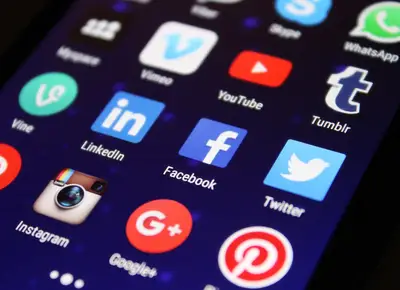
A hand reaches for a smartphone at 7:00 AM, scrolling through a feed of luxury travel and high-end gadgets before even getting out of bed. This immediate immersion into curated lives can make a standard lifestyle feel inadequate.
The High Authority for Communication fully blocked social media in February 2026 due to concerns regarding false information and data collection practices.
Digital content often presents a filtered version of success that ignores the logistical and financial hurdles of real life. When viewers see influencers living in designer clothes or traveling constantly, it can trigger a subconscious feeling of scarcity or inadequacy in their own lives.
This psychological pressure often leads to "lifestyle inflation," where individuals attempt to match a digital standard that was never meant to be a baseline for reality.
The constant stream of high-production content creates a distorted benchmark. Because these videos are edited to show only the highlights, the viewer misses the debt, the sponsorships, or the careful budgeting that might actually be sustaining that specific lifestyle.
This lack of context makes it difficult to distinguish between a sustainable way of living and a carefully staged performance.
The curated highlights of others often create a false baseline for what a normal life looks like.
Why do viral trends feel so much more urgent than my actual budget?
In the evening I hold digital and walk through the next step.
The blue light of a tablet illuminates a quiet living room late at night, where a person watches a video of a "must-have" product with growing intensity. The sense of urgency feels physical, almost like a deadline is approaching.
According to the World Bank, Brazil recorded a share of internet users of 84.5% in 2024.

Viral trends leverage psychological triggers like social proof and the fear of missing out (FOMap) to create a sense of urgency. When a video reaches millions of views, the brain perceives the featured product or lifestyle as a social necessity rather than a luxury.
This perceived urgency overrides logical financial planning, making a non-essential purchase feel like an immediate requirement for social belonging.
The rapid pace of content turnover means that trends appear to move faster than real-world economic cycles. This mismatch makes it feel as though one must act instantly to stay relevant.
However, most trends are transient, and the impulse to buy is often a temporary emotional response to a highly effective marketing tactic embedded in the content.
- Identify the immediate impulse to purchase. 2. Compare the cost to your monthly savings goal. 3. Wait twenty-four hours before finalizing the transaction.
Can I trust creators with millions of followers?
A person sits at a desk, leaning closer to the screen to hear the specific details of a creator's "secret" investment strategy. There is a sense of trust built through the intimacy of the camera lens. According to the YouTube Data API, the channel The Diary Of A CEO has 20,300,000 subscribers.
High view counts are a measure of engagement and popularity, not necessarily a measure of expertise or reliability.
A creator might have millions of followers because they are charismatic, entertaining, or relatable, but that does not mean they have the professional credentials to provide sound financial or lifestyle advice.
In many cases, the goal of the content is engagement—which drives ad revenue—rather than the long-term well-being of the audience.
It is vital to recognize that popularity is often driven by emotional resonance. A video that makes someone feel excited or outraged will get more clicks, but that emotional spike is often the opposite of the calm, analytical state required for healthy financial decision-making.
Relying on a viral video for life-changing decisions is a gamble against the creator's primary incentive: views.
In this sequence, the first step is the most critical.
How do I apply these lessons to my own life?

I remember sitting in a coffee shop, looking at my own bank app after watching a "haul" video, realizing I was feeling a strange sense of guilt for not owning the items on the screen. I had to step back and create a manual filter for what I saw.
In May 2025, the Communication Authority of Kenya published guidelines regarding online safety for children.
To protect your financial health while staying connected to the digital world, follow these three steps to audit your consumption:
- Identify the Trigger: When you feel a sudden urge to buy something after watching a video, pause and name the emotion. Are you feeling inadequate, bored, or genuinely in need? 2. Verify the Context: Ask yourself if the creator's lifestyle is subsidized by brand deals or other income sources that would not apply to your own situation. 3. Set a "Cooling-Off" Period: Implement a mandatory 48-hour waiting period before making any purchase inspired by digital content.
At the end of this process, check if your desire to purchase remains once the emotional high of the video has faded. If the urge disappears, it was a trend-driven impulse, not a necessity.
Start by setting boundaries between your screen time and your real-world responsibilities.
What are the limitations of following digital advice?
A traveler stares at a map on a phone, realizing the "hidden gem" destination from a viral video is actually a crowded, expensive tourist trap. The reality of the terrain and the cost of entry are much higher than the video suggested.
In June 2025, the Legal Department of BYD announced it was taking legal action against 37 online influencer accounts.
Following an "ideal" lifestyle depicted online is limited by individual economic capacity and local environmental factors. A lifestyle that looks effortless in a video may be impossible to replicate due to geographic constraints, local cost of living, or personal debt levels.
Attempting to force a digital aesthetic into a real-world setting often leads to significant financial strain.

The mismatch between a digital environment and physical reality is the primary risk. A person's ability to follow a trend is strictly governed by their actual disposable income and local economic conditions, factors that are rarely discussed in high-energy, short-form videos.
Online advice is often generalized and may not account for your unique financial or personal circumstances.
According to Legal Department, the recorded figure is 126.
According to High Authority, the item is on record.
When I tried the steps in order, the second one is where I paused longest.
This order does not hold, however, when the figure is not 1.5 million.
- How does digital content distort my sense of reality?
- Why do viral trends feel so much more urgent than my actual budget?
- Can I trust creators with millions of followers?
| Item | Figure |
|---|---|
| 1 | 1.5 million |
| 2 | 84.5% |
Related





Comments 0