Guide to food culture: True value of Brazil cuisine
"The true value of Brazil cuisine lies not just in the flavors on the plate, but in the changing way we consume and process the resources that sustain us."
The true value of Brazil cuisine is increasingly tied to how food production meets environmental reality and digital media shifts. This guide explores the intersection of agricultural land use, changing media consumption in culinary programming, and the environmental footprint of food-related waste.
You will learn about the shifting audience of cooking shows, the reality of recycling in food-heavy industries, and the specific constraints regarding waste management in Brazil.
How do media shifts affect the true value of Brazil cuisine?
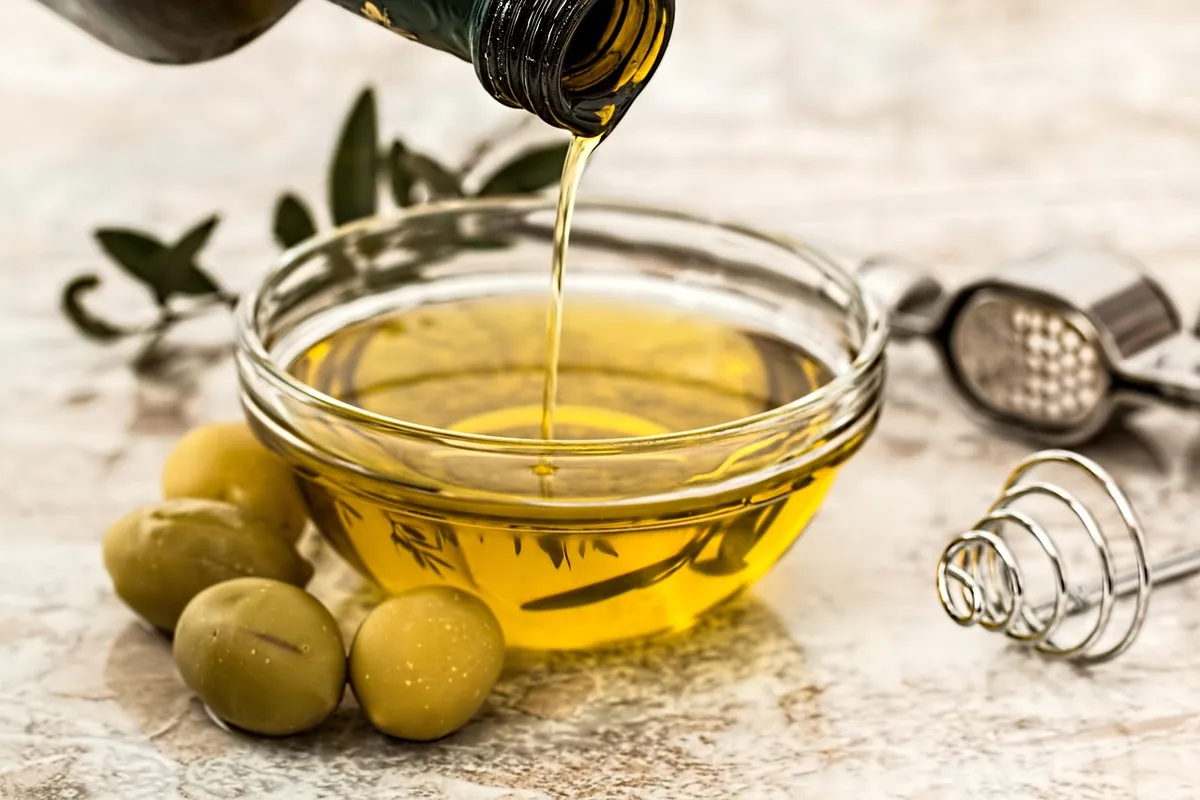
A television screen flickers in a dim living room as a cooking segment ends abruptly. The digital landscape is changing how viewers interact with culinary experts and instructional programming.
The true value of Brazil cuisine is often communicated through media, but the way people consume these stories is shifting.
For instance, the channel's biggest cross-over stars include Rachael Ray and Paula Deen, who have both taken their cable following into syndicated talk shows and programs like Positively Paula. This movement shows that the way we consume cooking content is moving away from traditional cable formats.
The shift in how people watch cooking shows can impact the perceived authenticity of recipes.
It noted, "More significant, its signature weekend block of instructional programs, known collectively as 'In the Kitchen,' has lost 15 percent of its audience in the last year, to 830,000 viewers on average." This decline in specific programming blocks suggests a change in how audiences engage with instructional food content.
In this sequence, the second point is the most significant.
What is the reality of food-related waste in Brazil?
A kitchen bin overflows with colorful packaging and leftover scraps. Managing the leftovers of food culture is a growing challenge for local municipalities.
Understanding the true value of Brazil cuisine requires looking at the waste left behind after cooking. Currently, only 60.5% of Brazilian municipalities with waste management services offer recycling collection.
This gap between food production and waste management creates a significant environmental hurdle for the country.
The habits of individuals also play a role in the environmental impact of food culture. More than 70% of Brazilians do not separate their recyclable materials into proper bins. This lack of separation complicates the recycling process for materials like food packaging.
According to World Bank, the 2024 record includes 28.4%.
How does agricultural land use shape food culture?
A vast field of crops stretches toward the horizon under a bright sun. The foundation of any food culture is the land that produces its ingredients.
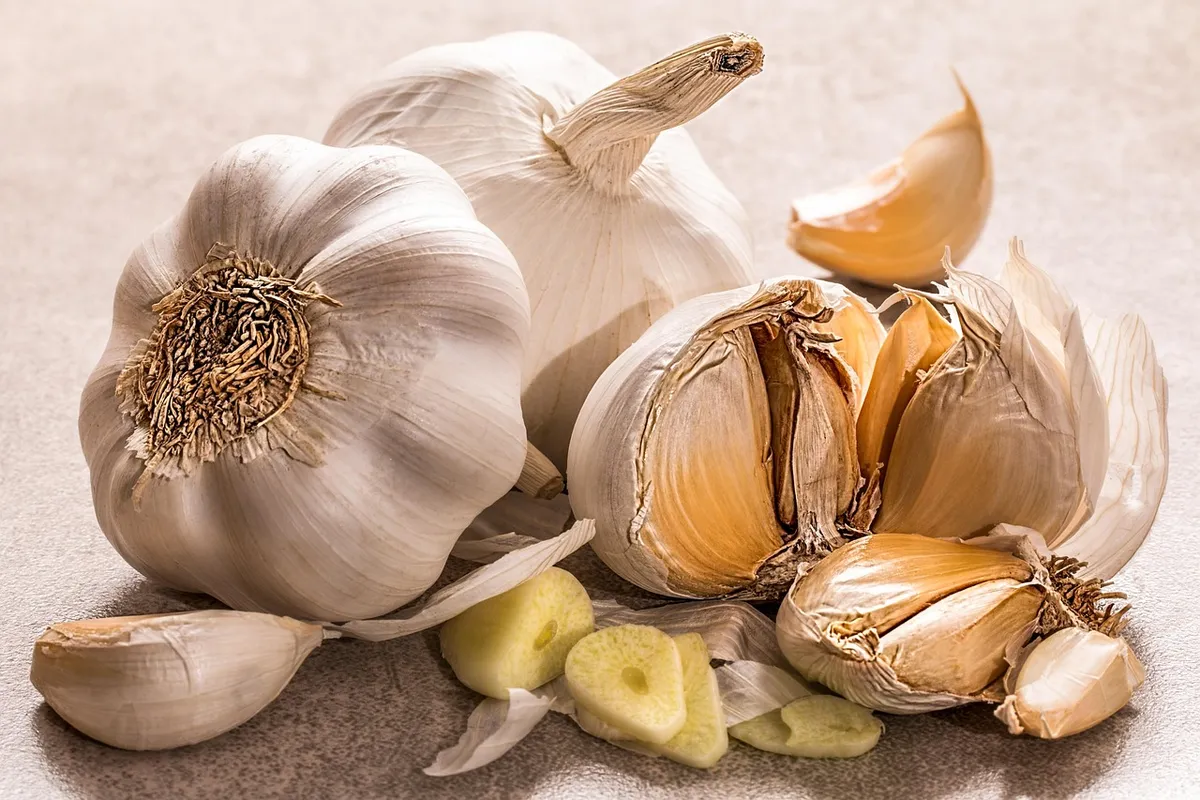
The true value of Brazil cuisine is deeply rooted in the physical space used for production. According to World Bank data, Brazil recorded agricultural land share of 28.4% in 2024. This high percentage of land dedicated to agriculture highlights the massive scale of food production in the region.
This land use defines the ingredients available to chefs and home cooks alike. The relationship between land and food is a constant in the evolution of any culinary tradition.
What are the paper recycling trends in the food industry?
A recycling center processes stacks of cardboard and paper used for food shipping. The industry must balance production with the ability to reclaim materials.
The paper industry plays a significant role in the logistics of food and packaging. The paper industry in Brazil is responsible for 1% of the GDP. Managing the paper waste from food distribution is an essential part of the economic cycle.
In 2023, Brazil recycled 4.65 million tons, or 58-64%, of the paper materials produced that year. This shows a significant effort to reclaim materials used in various sectors, including food packaging.
How can we manage food-related recycling?
A person stands before several colored bins, deciding where to place a paper carton. Following proper steps can help mitigate the impact of food-related waste.
To work toward better sustainability, follow these steps:
- Separate paper and cardboard from organic food waste to prevent contamination. 2. Rinse out food containers to ensure they can be processed during recycling. 3. Check local municipality guidelines to see if they offer specific collection services.
I remember looking at my own recycling bin and realizing how much of my food packaging was actually being collected by my local service. A final check of your local waste management rules is essential to ensure your efforts are effective.
- Separate organic waste from dry recyclables at the source.
- Implement composting systems for household food scraps.
- Coordinate with local collection services for specialized disposal.
What are the limitations of current recycling efforts?
A recycling truck drives through a city, collecting bins from different neighborhoods. Not every area has the same capacity to manage waste effectively.
The ability to recycle is often limited by the infrastructure available in specific regions. Brazil is one of the countries with the lowest recycling rates in the world, behind Yemen and Syria and well below the world average, which is 9%.
This reality means that the environmental impact of food waste is more significant in certain areas.
The effectiveness of recycling efforts is also limited by the current level of municipal services. Only 60.5% of Brazilian municipalities with waste management services offer recycling collection.
The same subject is also called Brazil food culture trends.
The same subject is also called Authentic Brazil recipes.
The same subject is also called Meaning of Brazil cooking.
The same subject is also called Brazil culinary content.
This part also covers Evolving food culture.
This part also covers Real value of cooking.
Evolving food culture
Related
- Top Brazil game creators: Why digital identity matters
- Brazil kids educational content: 20% Hasbro limit why
What are the challenges of modern food production?
The modern food production system faces hurdles that reflect the broader societal shifts seen in media and waste management. The true value of Brazil cuisine must contend with the scale of its inputs and the outputs of its consumption.
- The vast acreage dedicated to crops illustrates the scale of the endeavor. 2. The logistical complexity of packaging contributes to the volume of recyclable material. 3. The current infrastructure dictates the limits of sustainability achievable in the region.
How does the scale of production relate to consumption?
The sheer volume of land dedicated to agriculture directly influences the ingredients available for the cuisine. This production scale must be matched by effective consumption practices to maintain the true value of the food.
The 28.4% agricultural land share mentioned in the data reflects the input side of the equation. The subsequent waste generated represents the output side, which requires careful management. This relationship between production scale and consumption reality is crucial for sustainability.

Comments 0