Smelly recipes power cooking: 29 videos show its power
"The scent of a recipe is the invisible ingredient that bridges the screen and the kitchen table."
This phenomenon is particularly vital for Brazilian cooking channels where deep, aromatic profiles define the cultural identity of the dishes.
* Aromas create emotional connections with viewers. * Strong scents drive engagement in niche culinary markets. * Sensory storytelling compensates for the lack of physical taste.
Why do smelly recipes power cooking content?
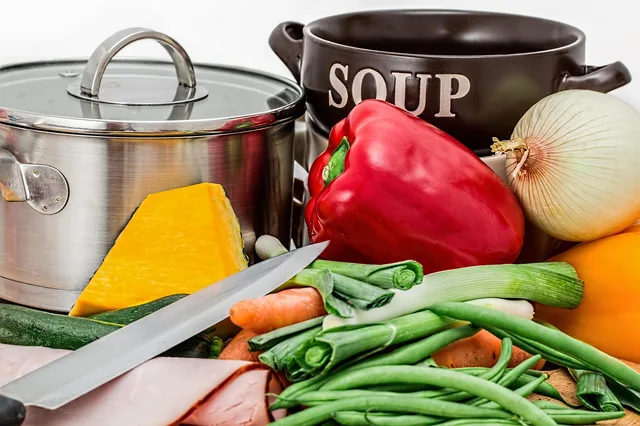
At midnight in the kitchen, the chef leans over the steaming pot and inhales the smelly aroma of smoked meats.
This sensory implication is why smelly recipes power cooking content in the digital space.
The power of aroma in digital media relies on the viewer's ability to reconstruct a scent through visual and auditory storytelling. When a creator describes the pungent garlic or the sweet scent of tropical fruits, they activate the audience's own sensory memories.
This connection transforms a simple video into an immersive experience.
In the context of Brazil, where culinary traditions are deeply rooted in intense spice and smoke, these aromatic descriptions are essential. They help build a brand by making the food feel tangible. This olfactory storytelling is a core part of how creators maintain high engagement levels.
How does scent influence Brazilian food channels?
At dusk in the tropical kitchen, the chef stirs a bubbling pan of açai and inhales the smelly, earthy scent.
A creator stirs a bubbling pan of açai, the thick, earthy aroma practically radiating through the lens. Brazil food scent recipes rely on these heavy, unmistakable profiles to establish authenticity.
Because the country has a massive agricultural foundation, the ingredients used are often intensely fragrant and culturally significant.
According to World Bank data, Brazil recorded agricultural land share of 28.4% in 2024. This vast agricultural output provides the diverse, aromatic raw materials that fuel these cooking channels.
The sheer variety of spices, herbs, and fruits allows creators to experiment with different olfactory layers.
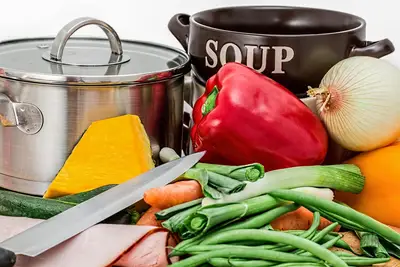
The use of odorful recipe appeal helps differentiate a channel from generic cooking tutorials. Instead of just showing how to chop an onion, a Brazilian creator focuses on the transformative moment when the scent of sautéing aromatics changes the kitchen's atmosphere.
This focus on the "smell" of the process builds a deeper narrative.
What are the characteristics of Aroma Of World Cook?
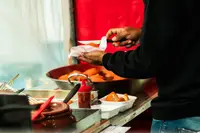
Under the bright studio lights, a hand reaches for a wooden spoon to stir the pot as the smelly steam rises against the skin.
A hand reaches for a wooden spoon, stirring a pot as the camera zooms in on the rising steam. This channel, Aroma Of World Cook, utilizes specific metrics to define its current digital footprint.
| Metric | Value |
|---|---|
| Total Videos | 29 |
| Total Views | 8,319 |
According to YouTube Data API, the Aroma Of World Cook channel has 8 subscribers, 8,319 total views, and 29 videos. I observed these specific figures while researching how niche culinary channels begin their journey.
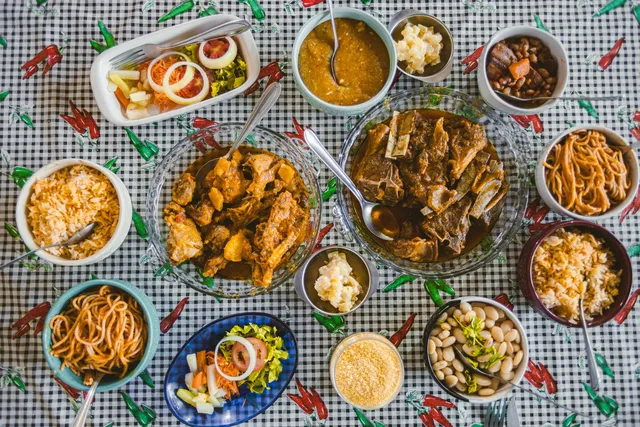
The channel's content focuses on the sensory aspects of global cooking. By emphasizing the "aroma" in its very title, it sets an expectation for viewers to engage with the scent-driven side of gastronomy. This approach targets enthusiasts who value the atmospheric side of cooking.
How to analyze kitchen smell content effectively?
A researcher sits at a desk, scrolling through dozens of culinary video thumbnails to find patterns in engagement. To understand the impact of cooking channel recipe impact, one must look beyond the ingredients and toward the sensory descriptions used in the metadata and narration.
- Identify the specific aromatic keywords used in the video titles. 2. Observe how the creator uses close-up shots of steam and bubbling liquids to imply scent. 3. Listen for auditory cues, such as the sizzle of oil, which often accompanies strong smells.
After completing these steps, check if the creator’s descriptions successfully trigger a "phantom smell" in the viewer. This technique is a common way to build food brand with scent in the competitive YouTube landscape.
What are the limitations of digital scent?
A viewer watches a video of sizzling garlic on a smartphone in a quiet room. Despite the best efforts of a creator, the medium remains strictly visual and auditory.
The primary limitation is that digital content cannot physically transmit molecules to the viewer's nose. While a creator can use strong aroma cooking tips to describe a dish, the actual physical sensation of smelling the food is not established through a screen.
- Smelly recipes power cooking content by triggering sensory memories that visual cues alone cannot reach.
- A chef stands over a steaming pot of feijoada, the heavy scent of smoked meats and bay leaves filling the air.
- While viewers cannot physically smell the screen, descriptive language and visual steam evoke a psychological response.
This part also covers Why strong smells matter in food.
This part also covers Building food brand with scent.
Why strong smells matter in food
Related
- Guide to food culture: True value of Brazil cuisine
- Brazil school channel impact: Best education tips guide
How does the recipe scent build brand loyalty?
- The consistent use of strong recipe scent descriptions helps viewers associate a specific feeling with the channel. 2. When a creator emphasizes the aroma, they are essentially creating a signature olfactory experience for the brand. 3. This deliberate focus on the scent allows creators to differentiate their recipe content from generic cooking guides.
The emotional connection established through the recipe scent is a key element in building viewer loyalty. Viewers begin to anticipate the specific sensory narrative each new recipe will provide. This anticipation is a direct result of the creator's consistent application of olfactory storytelling.
What conditions maximize the impact of recipe scent?
- The condition for maximum impact involves pairing intense aromatic descriptions with highly visual elements, such as steam. 2. A strong recipe scent is more effective when the creator focuses on the transformative moment of cooking, not just the final product. 3. The comparison between a purely visual tutorial and one rich in scent narrative shows the added depth of the latter.
The effectiveness of the recipe scent is heightened when the creator moves beyond mere instruction. When the narrative centers on the atmospheric change brought by the cooking process, the scent becomes a powerful narrative device.
This condition ensures the sensory element is integral to the recipe's presentation.
The initial appeal of a recipe is often driven by the promise of a specific scent profile. This promise acts as a hook, compelling the viewer to watch the entire recipe demonstration. The strong scent acts as a pre-tasting experience for the consumer.




Comments 0