Brazil wildlife YouTube guide with 84.5% internet use
"The camera lens captures the flash of a macaw's wing, but the true value lies in the accuracy of the story told behind the movement."
To create successful educational content, creators of a Brazil wildlife YouTube guide need to balance high-quality visual storytelling with rigorous scientific integrity. This guide focuses on how creators can engage viewers through bird and reptile ecology while maintaining factual precision.
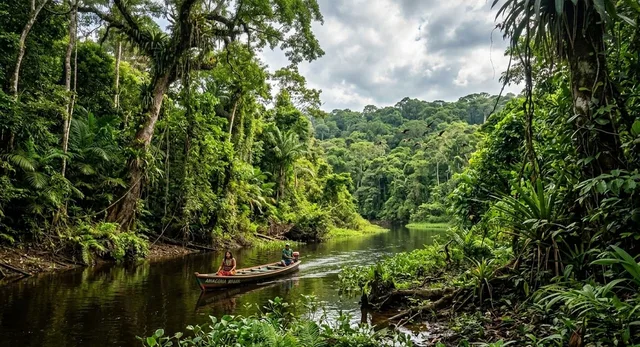
Success depends on integrating field observations with verified biological data, although effectiveness may vary depending on the specific species' behavior and habitat accessibility. 1. Prioritize scientific accuracy in wildlife video production to build long-term authority. 2. Use immersive field footage to drive engaging nature viewers. 3. Focus on niche ecosystems like Amazon bird filming guide subjects. * Maintain high production standards for reptile ecology content.
How to master the Brazil wildlife YouTube guide?
At dawn in the Atlantic Forest, I grip the heavy camera tripod as the humid air clings to my skin while I study the Brazil wildlife YouTube guide.
A creator stands in the humid shade of the Atlantic Forest, adjusting a long telephoto lens to catch a glimpse of a rare toucan. To master the Brazil wildlife YouTube guide, one must merge the thrill of discovery with educational depth.
This means not just showing a beautiful animal, but explaining its role in the local food web.
Effective creators use high-definition close-ups to showcase textures, such as the scales of a lizard or the vibrant feathers of a parrot. By focusing on these details, you provide the visual evidence necessary to support your biological claims.
This approach ensures that the excitement of the hunt for footage does not overshadow the educational mission of the channel.
How can I keep my videos scientifically accurate?
The sun beats down on a muddy riverbank as a researcher carefully notes the markings on a caiman's snout before hitting record. Maintaining science accuracy in video requires a commitment to peer-reviewed facts rather than anecdotal observations.
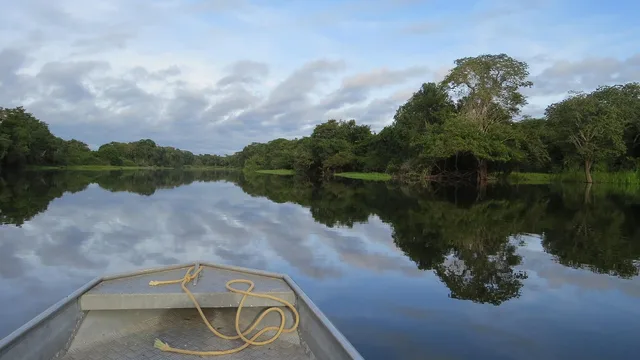
Every claim made about a species' diet, habitat, or reproductive cycle should be cross-referenced with biological literature.
When presenting data, creators should avoid speculation about animal intentions or "personalities." Instead, describe observed behaviors through the lens of evolutionary biology.
Using precise terminology for anatomy and behavior helps transition a channel from simple entertainment to a respected educational resource. This discipline builds trust with both students and enthusiasts.
According to World Bank, the 2024 record includes 84.5%.
What do I need to film birds in the Amazon?
A heavy rain begins to fall, forcing a filmmaker to shield their equipment while waiting for a canopy bird to emerge from the mist. Successful Amazon bird filming guide production relies on patience and specialized gear.
The dense foliage requires specific lighting techniques to ensure that colors remain true to life despite the deep shadows of the rainforest.
To achieve professional results, follow these steps:
- Research the specific vocalization patterns of the target species to predict their movement through the canopy. 2. Utilize directional microphones to isolate bird calls from the constant ambient noise of the jungle. 3. Set up tripod systems with fluid heads to track fast-moving avian subjects without jarring the frame.
After completing these steps, check your footage for motion blur and ensure the audio levels do not peak during loud calls. I found that adjusting the shutter speed specifically for high-speed wing movements made a significant difference in my own field recordings.
How to develop compelling reptile ecology content?
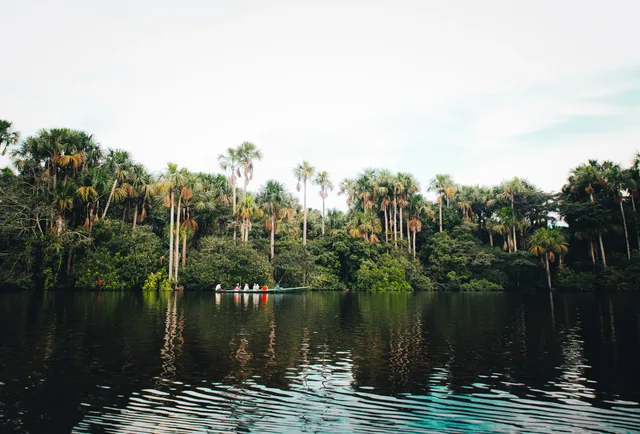
A small snake glides silently across a fallen log, its scales shimmering under the dappled sunlight. Developing reptile ecology content requires a different pacing than avian filming, often focusing on stillness and micro-movements.
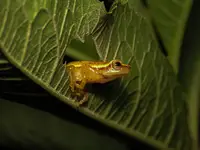
Because many reptiles are masters of camouflage, nature doc creator tips suggest using macro lenses to reveal the intricate details that the naked eye might miss.
Using these techniques allows for a deeper exploration of niche habitats. When you highlight the subtle shifts in a reptile's posture, you provide viewers with a window into a world that is often misunderstood.
This level of detail is essential for debunking myths and fostering a respect for these often-misinterpreted creatures.
Is there a way to achieve engaging nature viewers?
A group of students watches a screen, mesmerized by the slow-motion playback of a predator's strike. Achieving engaging nature viewers involves creating a narrative arc that mirrors the tension of the wild.
You are not just presenting a slideshow; you are inviting the audience to participate in a biological drama.
| Content Focus | Primary Visual Goal | Educational Objective |
|---|---|---|
| Avian Species | Color and Flight Dynamics | Migration and Diet |
| Reptile Species | Texture and Camouflage | Thermoregulation and Habitat |
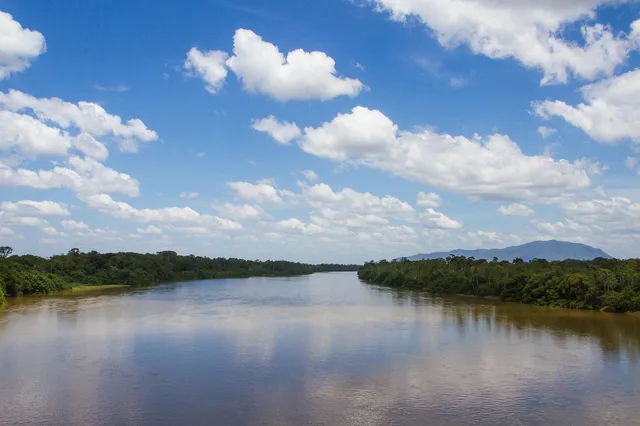
By comparing these two distinct styles, creators can tailor their editing rhythms to the subject matter. Fast-paced cuts work well for birds in flight, while slow, sweeping pans suit the patient nature of reptiles.
What are the limits of digital wildlife education?
A filmmaker packs up their gear as the light fades, realizing that some behaviors can only be understood through long-term, in-person study.
A significant limitation is that digital content can only represent a snapshot of a species' life, which may not reflect seasonal variations or long-term population trends. According to World Bank data, Brazil recorded share of internet users of 84.5% in 2024.
While this high connectivity allows for massive reach, it also means creators must be wary of spreading misinformation to a vast, diverse audience.
The success of a wildlife channel depends on the ability to present the natural world with both beauty and truth. By following structured production methods and prioritizing scientific rigor, creators can turn simple observations into lasting educational legacies.




Comments 0