Brazil wildlife video trends: How to capture nature best
"The lens must capture the pulse of the forest without disturbing its rhythm, for a single misplaced step can silence the very song we seek to record."
Brazil wildlife video trends vary significantly depending on whether the creator is navigating the dense canopy of the Amazon or the open wetlands of the Pantanal.
These creators primarily use long-range telephoto lenses and remote camera traps to maintain distance, ensuring they do not disturb the natural behavior of the animals.
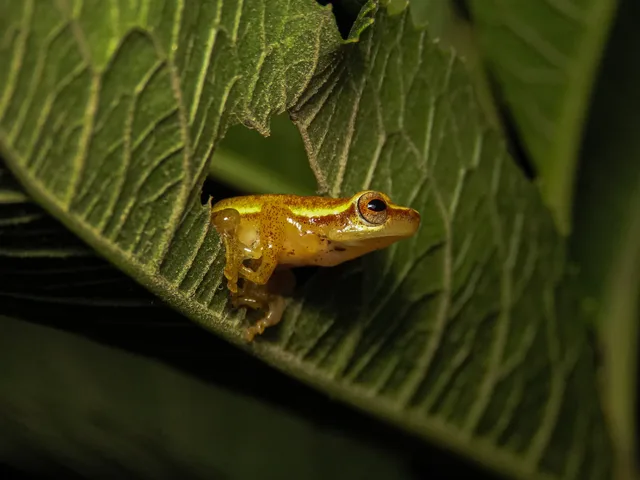
Key takeaways: 1. Amazon content focuses on canopy-level biodiversity and dense foliage navigation. * Pantanal filming emphasizes open-water sightings and large predator tracking. * Ethical filming requires strict adherence to ICMBio conservation guidelines.
What's driving Brazil's wildlife video trends?
At dawn, I squint through the humid mist of the Amazon to observe the shifting Brazil wildlife video trends on my screen. At dawn, I squint through the humid mist of the Amazon to capture the shifting Brazil wildlife video trends on my screen.
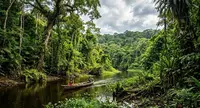
A camera rests on a tripod amidst the humid, heavy air of the rainforest floor as a technician adjusts the focus. Brazil wildlife video trends are shaped by the extreme contrast between the impenetrable Amazonian greenery and the vast, sun-drenched Pantanal plains.
According to World Bank data, Brazil recorded share of internet users of 84.5% in 2024.
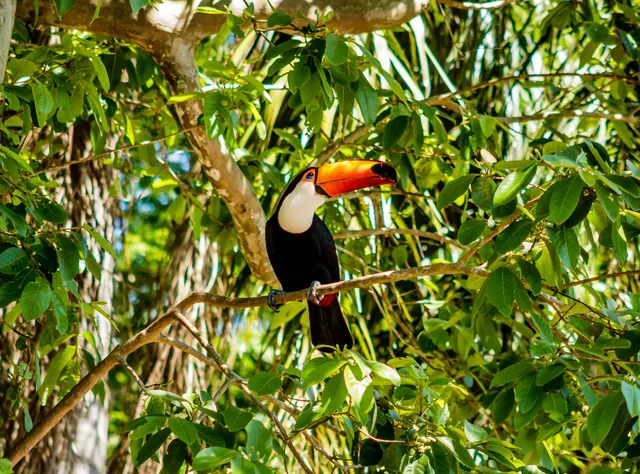
In the Amazon, creators often use specialized gear to film high in the canopy, focusing on birdlife and primates. Conversely, Pantanal creators utilize boats to capture jaguars and caimans in open water.
The style of Amazon animal content style relies heavily on macro photography and slow-motion captures of insects and amphibians. In contrast, Pantanal nature filming tips often involve patience during the dry season when animals congregate near water holes.
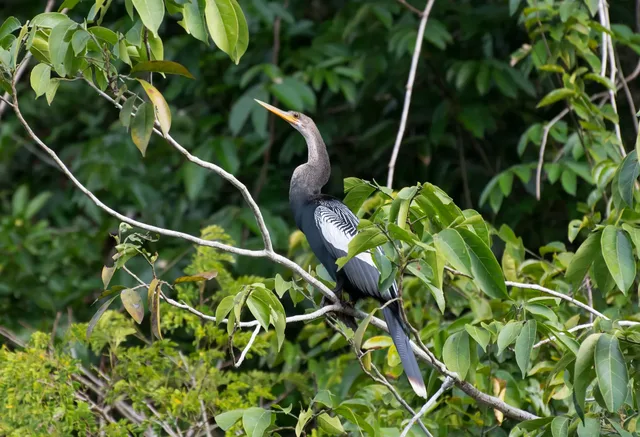
Brazilian fauna youtube guide enthusiasts look for high-definition footage that balances educational narration with cinematic visuals. Wild animal recording methods must adapt to these specific biomes to ensure the footage remains authentic and unforced.
How do creators manage ethical wildlife filming in Brazil?
A researcher crouches low in the tall grass, checking the perimeter to ensure no human scent lingers near a nesting site. Ethical wildlife filming in Brazil is a growing priority for professional creators who want to balance engagement with preservation.
Many top-tier channels now explicitly mention their compliance with environmental standards to build trust with their audience.
Comparing Amazon and Pantanal filming logistics shows that different habitats require different ethical approaches. In the Amazon, the risk involves disrupting delicate insect colonies or small bird nests through noise.
In the Pantanal, the focus is on maintaining a respectful distance from large predators like jaguars to prevent habituation. Implementing ICMBio rules in nature videos is a standard practice for those seeking professional legitimacy.
According to World Bank, the 2024 record includes 84.5%.
What are the main ways these are recorded?
A heavy rain begins to fall, prompting the filmmaker to quickly cover the equipment with a waterproof shroud. To produce high-quality content, creators follow a specific technical workflow to protect their gear and ensure visual clarity.
- Deploy remote camera traps in high-traffic animal corridors to capture nocturnal activity without human presence. 2. Utilize long-range zoom lenses to maintain a safe distance from sensitive species. 3. Record ambient forest sounds using parabolic microphones to layer high-fidelity audio over the visual footage.
I personally observed how a creator carefully repositioned a tripod to avoid crushing local flora during a setup. After completing these steps, a final check of the equipment's waterproof seals and battery levels is mandatory before moving deeper into the bush.
How do different ecosystems affect the footage?
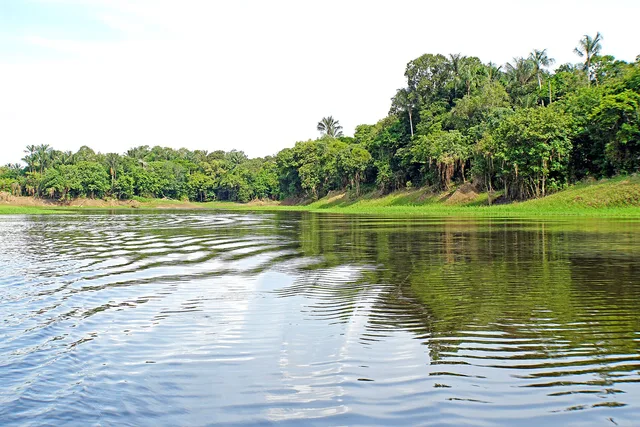
A drone rises slowly above the riverbank, providing a wide perspective of the landscape. The visual output of a channel depends heavily on the specific geography of the Brazilian interior.
| Feature | Amazon Rainforest | Pantanal Wetlands |
|---|---|---|
| Primary Visual Focus | Canopy and dense foliage | Open water and grasslands |
| Lighting Conditions | Dappled, low-light environments | Harsh, bright sunlight |
The dense structure of the Amazon makes wide-angle shots difficult, often forcing a reliance on close-up shots. The Pantanal offers much more expansive vistas, allowing for sweeping aerial views.
What are the limitations of these recordings?
A lens flare obscures the view as the sun dips below the horizon, signaling the end of the filming day. The quality and scope of wildlife content are limited by the extreme weather conditions and seasonal accessibility of the regions.
For example, heavy monsoon rains in the Amazon can make certain forest trails impassable and limit filming windows significantly.
- What's driving Brazil's wildlife video trends?
- How do creators manage ethical wildlife filming in Brazil?
- What are the main ways these are recorded?
How does the lens choice relate to the environment?
- The lens must capture the pulse of the forest without disturbing its rhythm, which dictates the required focal length for the specific biome. 2. In the Amazon, the dense foliage necessitates a lens capable of penetrating heavy canopy light for clear detail on birdlife. 3. Conversely, the open vistas of the Pantanal allow for the use of a lens that can cover vast distances to track large predators.
The choice of lens directly influences the narrative focus; a wide lens emphasizes the expansive nature of the Pantanal, while a telephoto lens highlights the intricate details of the Amazonian undergrowth. This comparison shows how the physical characteristics of the habitat constrain the photographic equipment used.
What conditions affect the recording process?
The quality of the visual output is significantly impacted by the prevailing weather, which necessitates specific procedural adjustments. During periods of intense humidity, the lens requires careful management to prevent condensation from degrading the image clarity. Furthermore, the seasonal changes dictate the accessibility of certain areas, meaning the recording schedule must account for these environmental limitations.
When the light is dappled, as in the Amazon, the filmmaker must adjust the lens settings to compensate for uneven illumination, a condition rarely encountered in the bright Pantanal plains. These conditions mandate that the creator adapt the initial plan for the lens operation.
The commitment to ethical filming requires that the lens positioning never places the equipment in a way that causes undue stress to the wildlife being observed, regardless of the terrain. This caution applies equally whether the lens is used for macro shots or for tracking distant subjects.



Comments 0