Brazil feminism beauty link: Labor market 65 percent women
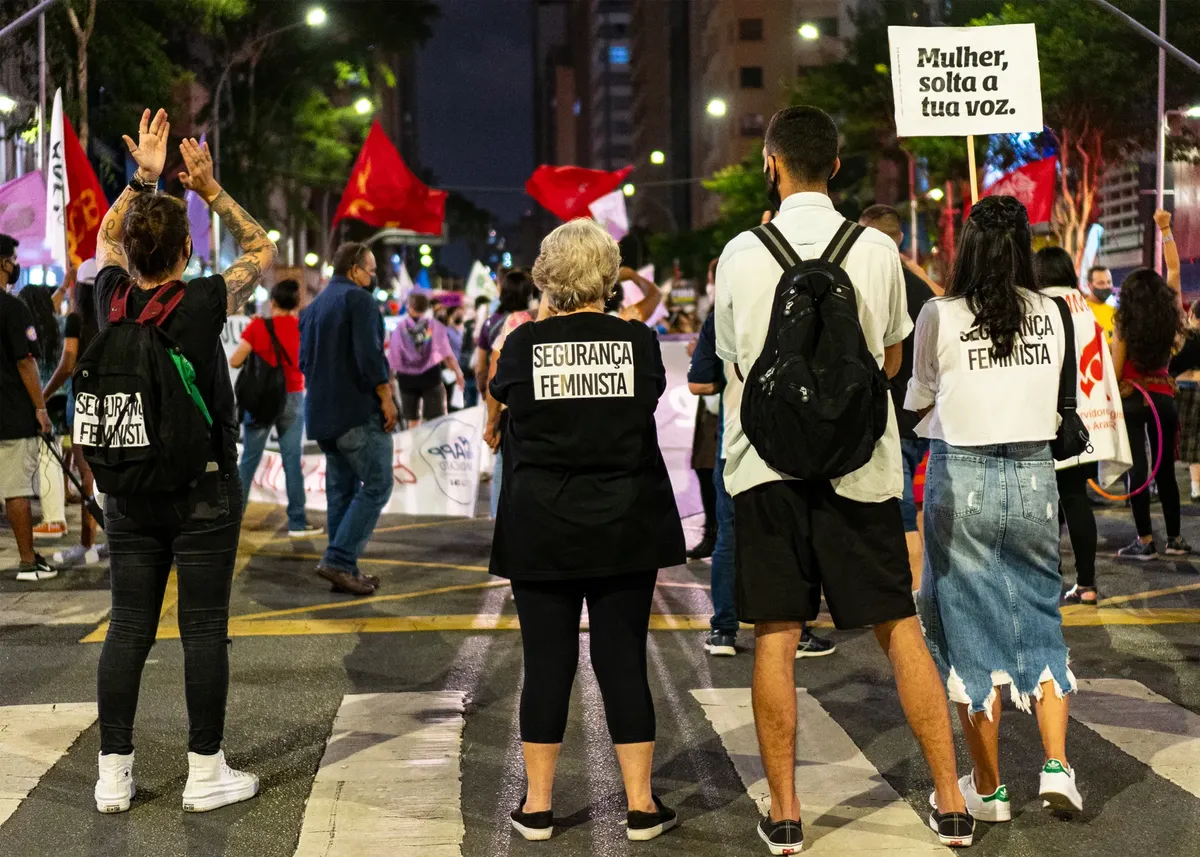
"This is what a feminist looks like."
The intersection of identity and societal roles in Brazil is increasingly shaped by shifting economic and educational landscapes.
Understanding the Brazil feminism beauty link requires looking at how female participation in labor and higher education influences social movements and personal autonomy.
Key takeaways include the significant presence of women in universities, the gender gap in the labor market, and the role of reproductive health in female empowerment.
How does the labor market influence the Brazil feminism beauty link?

During the morning rush in a bustling São Paulo office, she adjusts her blazer while feeling the weight of professional expectations intertwined with the Brazil feminism beauty link.
A woman walks into a busy office in São Paulo, balancing professional responsibilities with personal identity. The current female participation in the Brazilian labor market is 65 percent for women compared to 85 percent for men.
This gap highlights the structural challenges women face when navigating professional spaces and societal expectations.
The gender gap in the labor market often dictates how women engage with social movements and consumer culture. While women represent a significant portion of the workforce, they still face disparities in participation compared to men.
These economic realities shape the way Brazilian women's rights are discussed in public and private spheres.
In the non-agricultural sector, the presence of women is notable. This economic engagement provides a foundation for discussing gender equality and the influence of beauty standards on professional life.
What role does education play in beauty social movements?
A student sits in a crowded university lecture hall, surrounded by books and digital devices. As a whole, 53% of all Brazilians who are in universities are women. This high level of academic engagement suggests a growing intellectual influence on social discourse.
Educational attainment is a primary driver for feminism and social media engagement. With women making up more than half of the university population, they are positioned to lead discussions on gender equality and systemic change.
This demographic shift influences how beauty industry critique is formulated and shared.

The influence of highly educated women can change how social movements are perceived. This demographic reality provides a strong base for intellectualized advocacy. This education-driven momentum often translates into digital activism and community organizing.
How does reproductive health connect to feminism and social media?
A woman consults with a healthcare professional about her future health and family planning. This aspect of autonomy is central to discussing how beauty industry and gender equality intersect. Reproductive freedom is a cornerstone of modern feminist discourse.
Contraceptive use reflects the autonomy of women over their own bodies and life paths. One single method was responsible for more than half (52%) of all contraceptive use in Brazil. The only other method used by a considerable proportion of women was the pill (21%).
These health statistics underscore the importance of bodily autonomy in feminist movements. Access to reproductive health allows women to make independent life choices, which in turn affects their participation in the workforce and social life.
These decisions are often at the heart of gender-focused advocacy.
What are the economic shifts in Brazil?
A researcher reviews economic growth reports to understand the country's trajectory. The economic environment provides the backdrop for all social and political developments. Understanding these shifts helps contextualize the changing roles of women.
Brazil has experienced recent fluctuations in its economic output. According to World Bank data, Brazil recorded GDP growth of 2.3% in 2025. According to the International Monetary Fund (IMF), Brazil recorded real GDP growth of 1.9% in 2026.
These growth figures provide the context for the labor market and social stability. While the economy moves forward, the social dynamics regarding gender and identity evolve alongside it. The stability of these economic trends affects the resources available for social movements.
Can we compare labor and education statistics?
A data analyst compares two charts on a screen to visualize demographic shifts. Comparing different sectors of society reveals the complexities of gendered participation. These comparisons highlight both progress and remaining challenges.
| Category | Statistic |
|---|---|
| University Enrollment | 53% Women |
| Non-Agricultural Workforce | 42% Women |
I observed how these figures reflect different spheres of influence. The university statistic shows a clear majority, while the non-agricultural sector shows a significant but smaller presence.
The difference between these two figures illustrates how gendered roles vary across different sectors. While women lead in higher education, their representation in specific labor sectors remains lower. This disparity is a key point of discussion in contemporary social movements.
How do these factors limit the scope of discussion?
A moderator pauses a debate to acknowledge the complexity of the topic at hand. Every analysis must recognize its own boundaries to remain accurate. Identifying these boundaries is essential for honest discourse.
A limitation of these statistics is that they do not account for the informal economy or the specific intersectionality of different social classes within Brazil. Relying on broad sector data may overlook the nuances of rural versus urban female experiences.
What is the female participation rate in the labor market?

Current female participation in the Brazilian labor market is 65 percent for women compared to 85 percent for men.
How many women are in universities?
The discussion of the Brazil feminism beauty link remains centered on the interplay of economic participation, educational leadership, and bodily autonomy. These factors collectively shape the landscape of women's rights in Brazil.
- How does the labor market influence the Brazil feminism beauty link?
- What role does education play in beauty social movements?
- How does reproductive health connect to feminism and social media?
This part also covers How social media shapes Brazilian feminism.
This part also covers Women's rights in Brazilian beauty.
How social media shapes Brazilian feminism
Related








Comments 0